

You have been sitting for a while and feel fine, but as soon as you stand, your lower back feels stiff, sore, or painful. You may need a few moments to straighten completely or take several steps before you begin moving more comfortably.
Back pain when standing up after sitting is a common complaint, and there can be several reasons for it. Prolonged sitting, muscle weakness or tightness, reduced mobility, and problems involving the joints or discs of the spine can all contribute.
When this happens regularly, understanding what is contributing to the pain is an important first step toward improving how you move and feel.
Why Can Your Back Hurt After Sitting?
Your body is designed to move. When you remain seated for an extended period, your lower back, hips, and surrounding muscles stay in relatively fixed positions. When you stand, those tissues suddenly must change position and begin supporting your body through movement again.
For some people, that transition can be uncomfortable.
How you sit can also affect the amount of stress placed on your back. Slouching, leaning to one side, or remaining in the same position for a long time can contribute to stiffness and discomfort.
However, sitting posture is only one piece of the puzzle. If back pain when standing up after sitting happens frequently, other factors may be involved.
What Can Cause Back Pain When You Stand Up?
Back pain does not have a single cause. Several different factors can contribute to pain or stiffness when transitioning from sitting to standing.
Muscle Tightness
Sitting for long periods can leave muscles around the hips and lower back feeling tight. Restricted movement in one area can also change the way other parts of the body move, potentially increasing stress on the lower back.
Muscle Weakness
The muscles of your abdomen, back, hips, and pelvis work together to provide support and stability during movement. When these muscles are not providing adequate support, everyday activities can place greater demands on other structures.
That can become particularly noticeable during transitions, such as getting out of a chair.
Limited Joint Mobility
Joints that are not moving as freely as they should can contribute to stiffness and changes in movement. After sitting for an extended period, you may notice this most when you first stand and begin walking.
Disc or Nerve Problems
In some cases, a problem involving a spinal disc or irritation of a nerve can contribute to back pain. Symptoms can vary and sometimes include pain that travels into the buttock or leg, tingling, numbness, or weakness.
Because different back problems can produce similar symptoms, the location or timing of your pain alone cannot tell you exactly what is causing it.
Why Does My Back Feel Better After I Walk Around?
Some people with back pain when standing up after sitting notice that the discomfort begins to ease after they take a few steps or move around for several minutes.
Movement changes the position of your joints and activates muscles that were relatively inactive while you were sitting. Gentle movement can also help reduce the feeling of stiffness that develops after remaining in one position.
Feeling better once you start moving does not necessarily mean that you should ignore recurring pain. If getting out of a chair repeatedly hurts, it is worth looking at why the transition is difficult in the first place.
Sitting Less Can Help, but It May Not Solve the Problem
If you spend much of your day at a desk, in a car, or sitting at home, taking regular movement breaks is a useful habit. Getting up periodically, changing positions, and incorporating more movement into your day can help prevent you from remaining in one position for hours at a time.
But simply sitting less does not necessarily address everything contributing to back pain when standing up after sitting.
For example, if weakness, restricted mobility, or an underlying back problem is affecting how you move, changing your chair or remembering to stand more frequently may not be enough.
That is why persistent or recurring back pain deserves a closer look.
Why Strength and Flexibility Matter for Lasting Improvement
When your back hurts, it is understandable to focus first on getting relief. Reducing pain is important, but lasting improvement can also depend on addressing the factors that affect how your body moves and supports itself.
This is where strengthening, flexibility, and mobility exercises can play an important role.
Strength Helps Support Everyday Movement

Standing up from a chair may look like a simple movement, but it requires coordinated work from muscles throughout your lower body and trunk.
The muscles surrounding your spine, abdomen, hips, and pelvis help stabilize and support your body as you move. When some of these muscles are weak, other areas may have to compensate.
Appropriate strengthening exercises can improve the ability of these muscles to provide support during everyday movements such as standing, bending, lifting, and walking.
The goal is not simply to build stronger muscles. It is to help your body distribute the demands of movement more effectively.
Flexibility and Mobility Help You Move More Freely
Strength is only part of the equation.
Tight muscles and restricted joints can limit movement. When one part of the body does not move well, another area may compensate by moving differently or taking on additional stress.
Exercises designed to improve appropriate flexibility and mobility can help restore more comfortable movement and make it easier for different areas of the body to work together.
The Mayo Clinic’s information on back pain also emphasizes the importance of building muscle strength and flexibility to help condition the muscles that support the back.
Relief and Long-Term Improvement Are Not Always the Same Thing
A treatment that reduces discomfort can be valuable, but feeling better does not necessarily mean that all the factors contributing to the problem have been addressed.
Strengthening and mobility work can help improve function and give the body greater capacity to handle the movements and activities of everyday life.
That is why an effective approach to recurring back pain should look beyond the immediate symptom. Addressing strength, flexibility, mobility, and movement patterns can be an important part of helping improvements last.
How Carolina Rehab Can Help
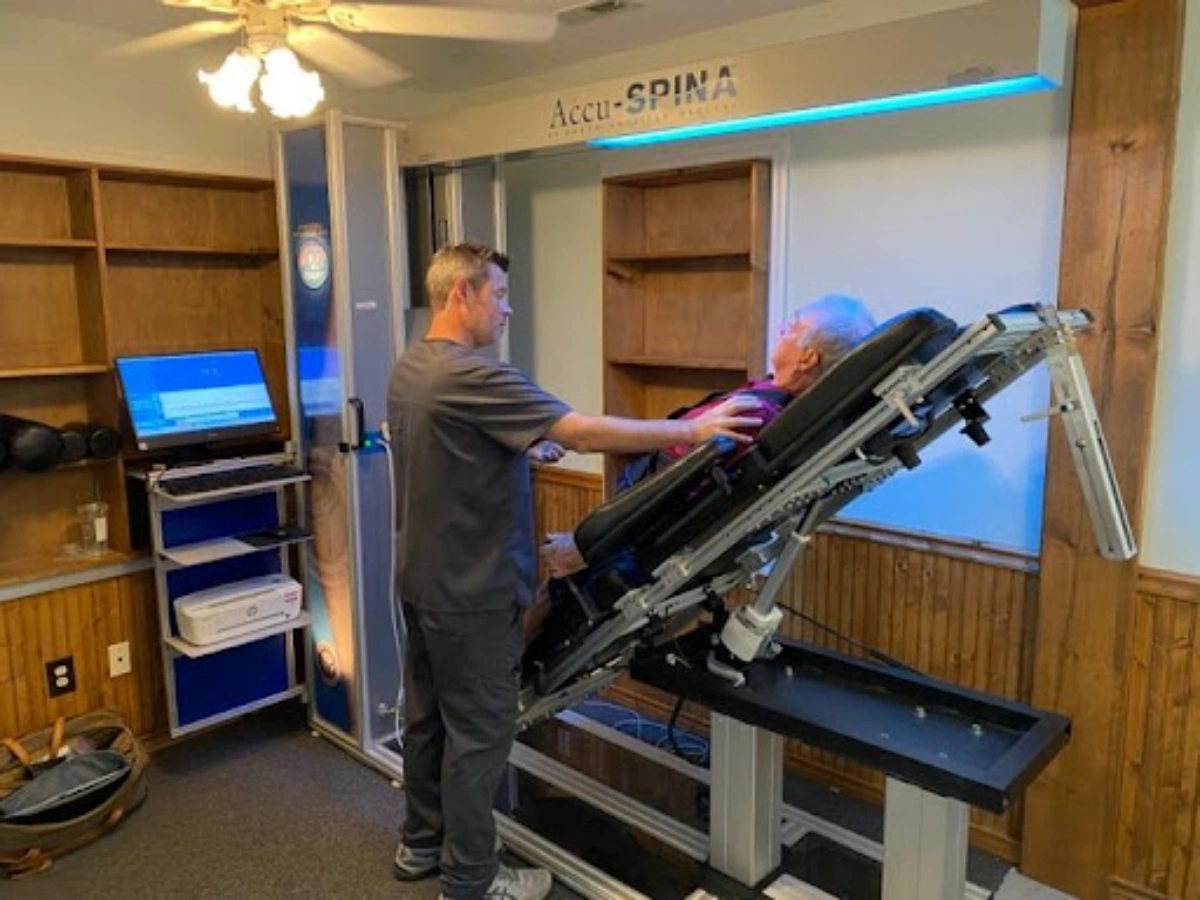
At Carolina Rehab and Physical Medicine Center, we look at the factors that may be contributing to your back pain and difficulty moving comfortably. Treatment is individualized based on your symptoms, examination, and needs.
Chiropractic care can help address joint mobility and function, while spinal decompression therapy may be appropriate for certain conditions involving the discs and spine. Rehabilitative exercises can help improve the strength, flexibility, and stability needed to better support the back and maintain improvement.
The muscles of the pelvic floor also work together with the abdominal, back, and hip muscles to help support and stabilize the trunk and pelvis. When appropriate, pelvic floor treatment may be incorporated as part of a more comprehensive approach to improving function and addressing contributing factors.
The goal is not simply temporary pain relief. By addressing mobility, strength, flexibility, and other factors that may be contributing to recurring symptoms, treatment can focus on helping you move and function better over the long term.
When Should You Have Back Pain Evaluated?
Occasional stiffness after sitting for a long time is not unusual. But if back pain when standing up after sitting keeps happening, is getting worse, or is beginning to interfere with work, exercise, sleep, or everyday activities, an evaluation can help determine what may be contributing to it.
Seek prompt medical attention for back pain accompanied by significant or worsening weakness or numbness, problems controlling your bladder or bowels, numbness around the groin or genital area, fever, unexplained weight loss, or pain following a significant injury.
Take the Next Step Toward Lasting Back Pain Relief
Back pain every time you get out of a chair should not become something you simply learn to live with. Identifying the factors behind your pain is the first step toward improving how you feel and move.
At Carolina Rehab and Physical Medicine Center, we can evaluate your symptoms and develop an individualized plan to address your pain while building the strength, flexibility, and mobility that can support longer-lasting improvement.
Schedule your appointment with Carolina Rehab and Physical Medicine Center today and start working toward moving with less pain and greater confidence throughout your day.
Frequently Asked Questions
How long should I sit before getting up and moving?
There is no single amount of time that is right for everyone. If you spend much of your day sitting, changing positions and getting up periodically can help prevent prolonged periods of inactivity. If sitting consistently causes or increases your back pain, an evaluation can help determine whether something more than prolonged sitting is contributing to your symptoms.
Why is my back stiff after sitting but not after walking?
Sitting keeps your body in a relatively fixed position, while walking requires your muscles and joints to move continuously. This can explain why some people feel stiff when they first get out of a chair but loosen up once they begin moving. Frequent or worsening stiffness should be evaluated to determine what may be contributing to it.
Is back pain after sitting a sign of a herniated disc?
Not necessarily. A herniated disc is one possible cause of lower back pain, but muscle tightness or weakness, restricted joint mobility, and other conditions can also cause discomfort after sitting. Disc problems can sometimes cause additional symptoms such as pain that travels into the buttock or leg, numbness, tingling, or weakness. An evaluation is needed to determine the source of your symptoms.