

Going up or down a flight of stairs is something most of us do without thinking about it. But when knee pain develops with every step, climbing or descending stairs can become increasingly difficult and interfere with everyday mobility.
Knee pain going up and down stairs can develop for several reasons. Sometimes it is related to irritation around the kneecap. In other cases, arthritis, tendon problems, muscle imbalances, or an old injury may be contributing to the pain. The location of the pain, when it occurs, and whether it is worse going up or down stairs can provide useful clues, but a thorough evaluation is often needed to identify the underlying cause.
At Carolina Rehab and Physical Medicine Center in Little River, we evaluate knee pain to identify factors that may be affecting the joint and your movement. Depending on what we find, treatment may include chiropractic care, therapeutic exercises, soft tissue therapy, and recommendations to improve posture, gait, or biomechanics. The goal is not simply to get you through the stairs, but to help your knee function more comfortably during everyday activities.
Why Stairs Can Cause Knee Pain
Walking on level ground and climbing stairs place different demands on your knees.
When you go up a stair, the muscles around your knee and hip must work harder to lift your body onto the next step. Going downstairs requires those muscles to control your movement as you lower your body.
At the same time, your knee bends more deeply than it does during ordinary walking. This can increase the forces passing through the knee joint and around the kneecap.
If part of the knee is irritated, injured, or not moving efficiently, you may therefore notice pain on stairs even when walking across a flat surface feels relatively comfortable.
Common Causes of Knee Pain Going Up and Down Stairs
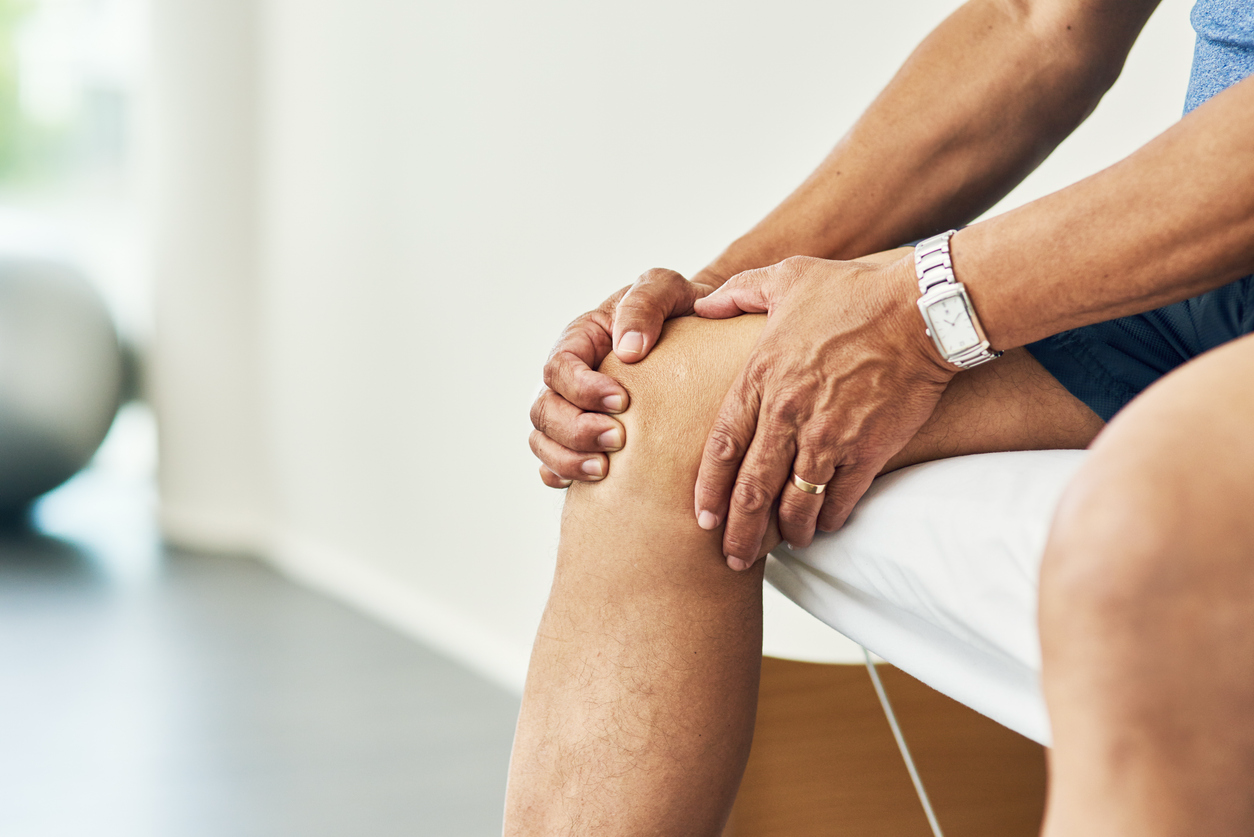
Knee pain on stairs does not point to a single diagnosis. Several conditions can produce similar symptoms.
Patellofemoral Pain
Pain around or behind the kneecap, sometimes called patellofemoral pain, is a common reason for knee pain during activities that involve bending the knee, including going up and down stairs.
You might notice pain when:
- Climbing or descending stairs
- Squatting
- Kneeling
- Getting up from a chair
- Sitting with your knees bent for a long period
Pain around the kneecap can be associated with overuse, muscle weakness or imbalance, or changes in the way the kneecap tracks as the knee bends and straightens.
Knee Osteoarthritis
Osteoarthritis is a type of arthritis that develops as the protective cartilage cushioning the bones in the knee gradually wears down. As the cushioning decreases, the joint can become stiff, sore, and less comfortable to move.
In addition to knee pain going up and down stairs, osteoarthritis can cause stiffness, swelling, reduced range of motion, or discomfort after periods of inactivity.
Arthritis does not necessarily mean that you must stop being active. However, persistent pain should be evaluated so that you understand what is affecting the joint and what can be done to help maintain mobility.
Tendon Irritation
Tendons connect muscles to bones. The patellar tendon, which runs between the kneecap and shinbone, can become irritated from repetitive stress.
Patellar tendon problems are particularly common in people whose activities involve frequent running or jumping, but they can affect other people as well.
Pain is often felt at the front of the knee, particularly during activities that require the knee to bend and straighten under load.
Bursitis
Small fluid-filled sacs called bursae help reduce friction around joints. When a bursa around the knee becomes inflamed, it can cause pain, tenderness, or swelling.
Depending on which area is affected, bending the knee, climbing stairs, kneeling, or putting pressure on the knee can become uncomfortable.
Previous Knee Injuries
A previous injury can sometimes continue to affect how your knee functions even after the initial injury has healed.
Ligament injuries, meniscus injuries, sprains, or other trauma can alter movement patterns or contribute to ongoing joint irritation. If you have a history of knee injury, that information can be important when determining why stairs are now causing pain.
Why Knee Pain Can Feel Different Going Up or Down Stairs
Going upstairs requires you to generate force to lift your body, while going downstairs requires your muscles to control your body as gravity pulls you downward.
Some people notice more knee pain going downstairs because lowering the body places greater demand on the muscles that help stabilize the knee. Others have more pain climbing stairs because generating upward force aggravates the affected area.
Where you feel the pain also matters. Pain around the kneecap, along the inside or outside of the knee, or at the back of the knee can have different possible causes.
However, pain patterns alone cannot reliably tell you exactly what is wrong. Similar symptoms can occur with several different knee conditions.
How Weakness and Movement Patterns Can Affect Knee Pain on Stairs
The muscles of the thighs, hips, and lower legs work together to stabilize the knee as you climb or descend stairs. Weakness, restricted movement in surrounding joints, or changes in the way you walk can alter how force is distributed through the knee.
Posture, gait, and biomechanics can also affect knee function. For example, limited movement at the hip or ankle may change the way the leg moves and place additional stress on the knee.
That is why evaluating knee pain involves looking at more than the knee itself. At Carolina Rehab and Physical Medicine Center, we consider joint movement, muscle function, and movement patterns that may be contributing to your symptoms.
When to Have Knee Pain Evaluated
An occasional minor ache after an unusually active day may settle with time. But pain that repeatedly occurs on stairs deserves attention, particularly if it is beginning to interfere with your normal activities.
Consider having your knee evaluated if:
- Knee pain persists or keeps returning
- Stairs are becoming increasingly difficult
- The knee is swollen
- You feel instability or as though the knee might give way
- Your range of motion is becoming limited
- You hear or feel painful catching or locking
- Pain is affecting walking or other everyday activities
- You have had a previous knee injury
Sudden severe pain, significant swelling after an injury, an obvious deformity, or an inability to bear weight should be evaluated promptly.
How We Evaluate Knee Pain
Determining why your knee hurts requires looking beyond the symptom itself.
At Carolina Rehab and Physical Medicine Center, we assess movement, joint function, and the way the knee responds during everyday activities. We also consider where the pain occurs, when it began, previous injuries, and which movements make the symptoms better or worse.
Because several conditions can cause knee pain on stairs, identifying the factors contributing to your symptoms is an important part of determining the appropriate treatment approach.
Knee Pain Treatment at Carolina Rehab
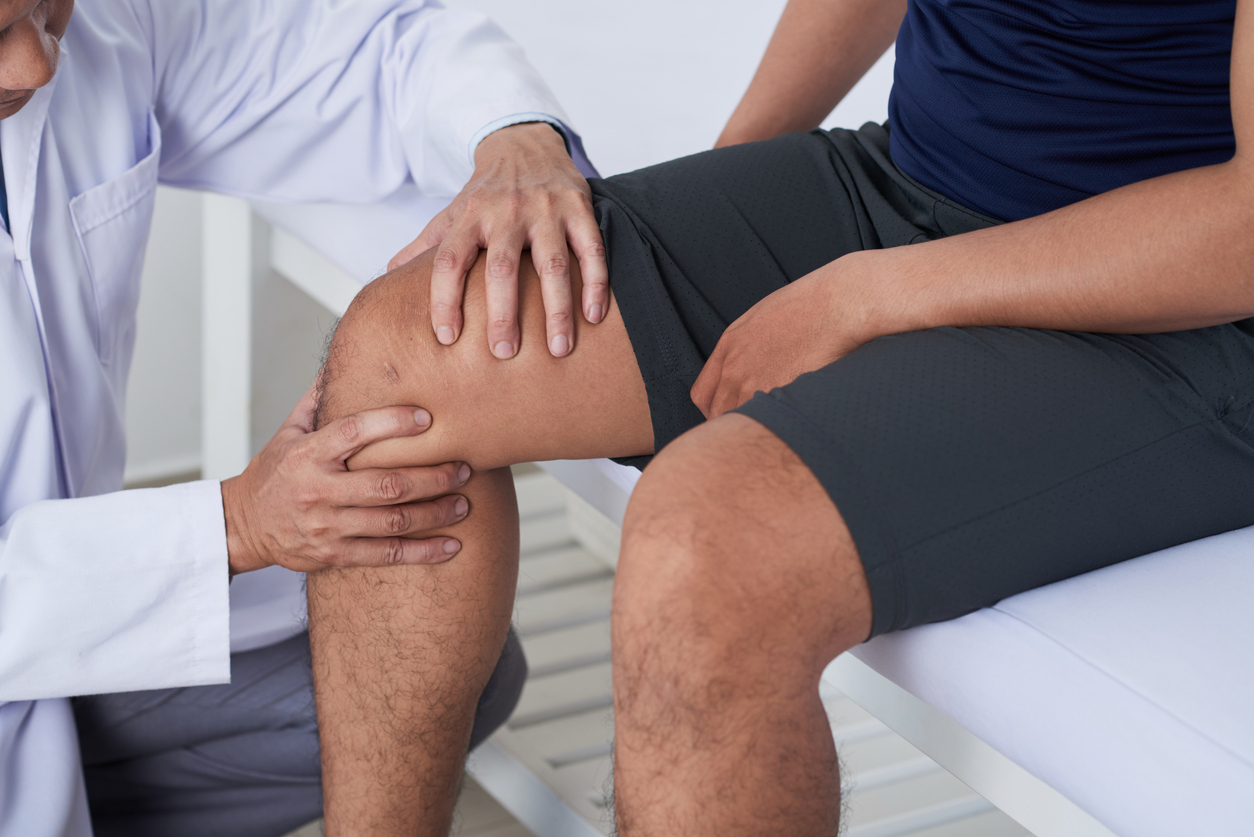
Treatment begins with identifying the factors contributing to your knee pain. Depending on your examination findings, the goal may be to improve joint mobility, address muscle tension or soft tissue restrictions, improve movement patterns, and reduce stress on the knee.
At Carolina Rehab and Physical Medicine Center, treatment may include gentle chiropractic adjustments, soft tissue therapy, therapeutic exercises, and recommendations addressing posture, gait, or biomechanics.
Because knee pain going up and down stairs can result from different conditions and movement problems, treatment is personalized to your symptoms, examination findings, and functional needs.
Find Out What Is Causing Your Knee Pain
If you have started bracing yourself before every staircase, taking one step at a time, or avoiding stairs because your knee hurts, it may be time to find out why.
Knee pain going up and down stairs is common, but that does not mean you simply have to live with it. Identifying what is placing stress on your knee is the first step toward determining an appropriate treatment approach.
At Carolina Rehab and Physical Medicine Center in Little River, we help patients understand the source of their knee pain and explore non-surgical options designed to improve joint function and make everyday movement more comfortable.
Contact Carolina Rehab and Physical Medicine Center to schedule a consultation and learn more about knee pain relief.