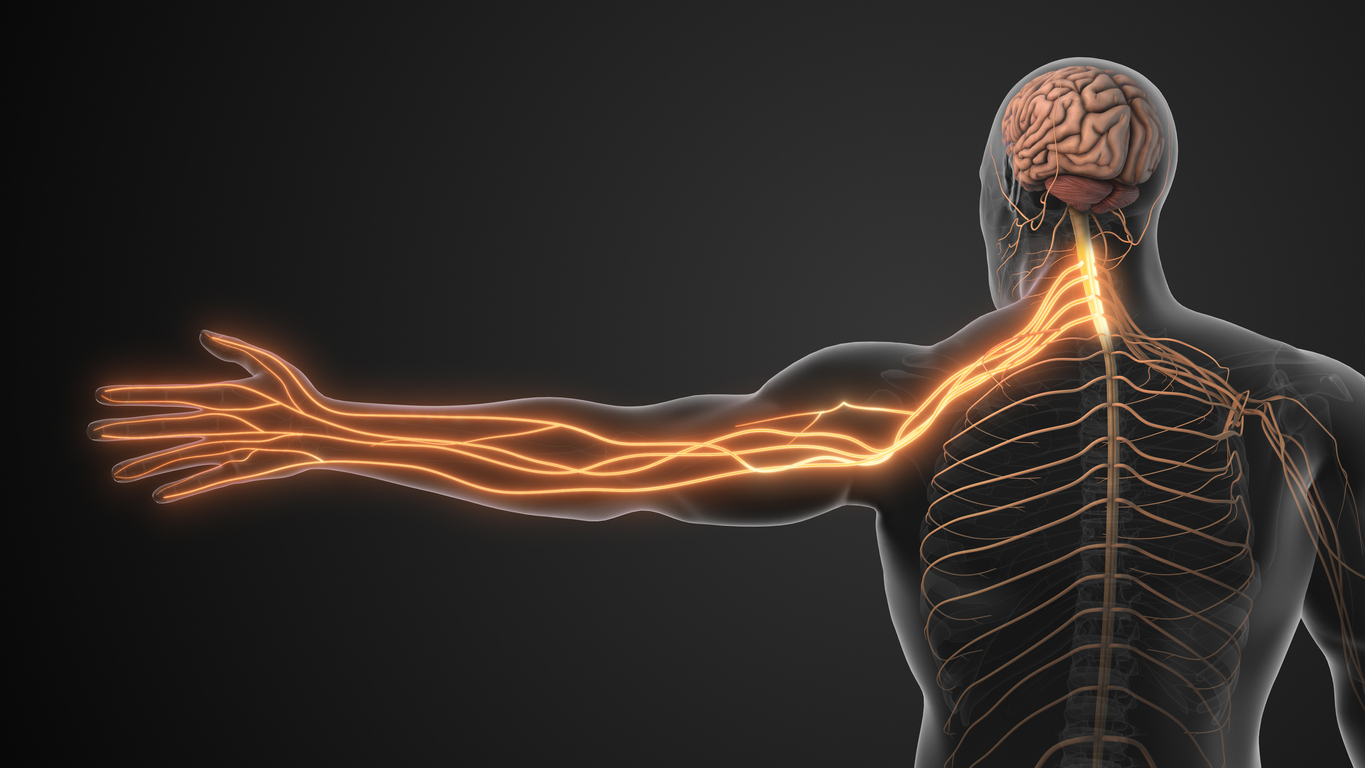
If you have ever felt tingling, numbness, burning, or sharp pain that travels down an arm or leg, you know how disruptive nerve compression can be. It can change how you sit, sleep, lift everyday items, or move throughout your day. Over time, those limitations can leave you feeling stuck in both your physical comfort and the activities you enjoy.
The encouraging part is that nerve compression often responds well to gentle, nonsurgical treatments that reduce pressure on the spine and help irritated nerves recover. Understanding these options is the first step toward long-lasting relief. At Carolina Rehab and Physical Medicine Center in Little River, we help patients explore safe, effective ways to ease nerve pain and restore healthier movement without the risks and recovery time associated with surgery.
What Exactly Is Nerve Compression?
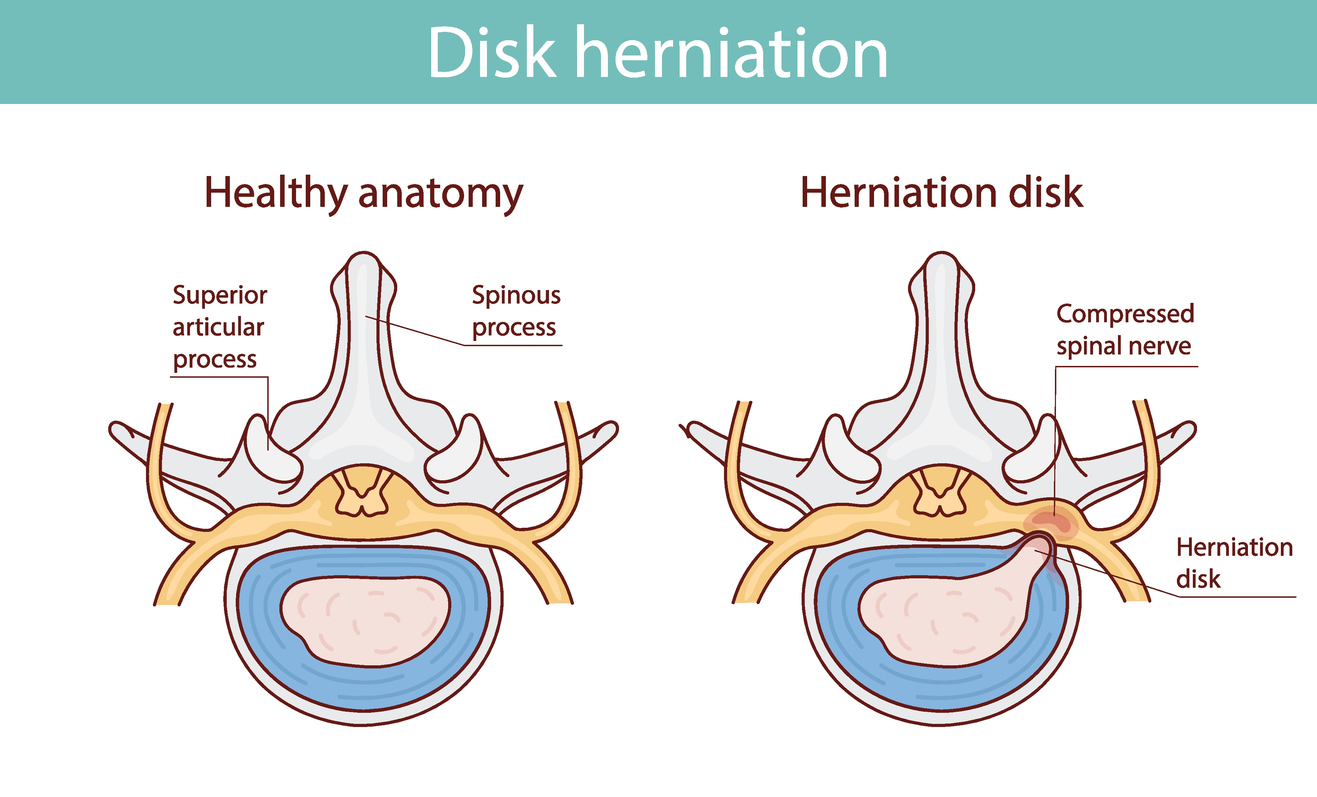
Nerve compression happens when tissue places pressure on a nerve and disrupts normal signaling. In the spine, this pressure often comes from herniated or bulging discs, degenerative disc disease, bone spurs, spinal stenosis, inflamed joints, tight muscles, or repetitive strain.
Symptoms may include burning or sharp pain, tingling, numbness, weakness, radiating pain down an arm or leg, or discomfort that worsens with certain movements. Although symptoms can be intense, many cases improve with the right conservative care.
Nonsurgical Option 1: Spinal Decompression Therapy
Spinal decompression is one of the most effective conservative treatments for nerve compression, especially when disc issues are involved. Carolina Rehab uses the advanced Accu Spina system, which gently relieves pressure inside spinal discs through precise, computer-guided stretching.
This therapy helps separate targeted spinal segments, create negative pressure inside discs, encourage bulging disc material to retract, improve nutrient flow to injured tissue, and relieve pressure on irritated nerves. Sessions are comfortable, require no downtime, and improvements build gradually.
Decompression can help herniated discs, bulging discs, sciatica, disc degeneration, mild-to-moderate stenosis, and chronic back or neck pain.
Nonsurgical Option 2: Chiropractic Care
When spinal joints become restricted, nearby nerves and tissues can become irritated. Chiropractic adjustments restore motion, reduce inflammation, and improve spinal alignment. When combined with decompression, chiropractic care enhances results and helps prevent symptoms from returning.
Nonsurgical Option 3: Therapeutic Exercise and Stability Work
As nerve pressure decreases, strengthening and stabilizing the spine becomes essential. Customized exercises improve core support, mobility, and flexibility while reducing strain on discs and nerves. Even small posture improvements can significantly improve comfort and function.
Nonsurgical Option 4: Soft Tissue Therapies
Tight or inflamed soft tissues can contribute to nerve compression. Techniques such as myofascial release, manual therapy, trigger point work, and heat or cold therapy help reduce tension and restore more comfortable movement patterns.
What Spinal Surgery Actually Involves
Surgery may be appropriate in serious cases, but it is more invasive than many people realize. Even minimally invasive procedures require cutting through muscle and soft tissue to reach the spine, sometimes with bone removal. This creates new trauma in the same area already causing problems and can lead to scar tissue, stiffness, weakness, reduced flexibility, and long recovery periods. For these reasons, surgery is typically reserved for situations where conservative care cannot resolve the issue.
Why Surgery Fixes One Area but Stresses Others
Procedures such as microdiscectomy, laminectomy, disc removal, and fusion treat one specific level of the spine, but the spine functions as a connected system. When a disc is removed or when vertebrae are fused, that level loses some of its ability to move and absorb shock. As a result, the levels above and below must compensate by absorbing more force. Over time, these segments may wear down faster, leading to new disc bulges, herniations, nerve compression, or degeneration. This pattern is known as adjacent segment stress.
Modern Disc Replacement Surgery
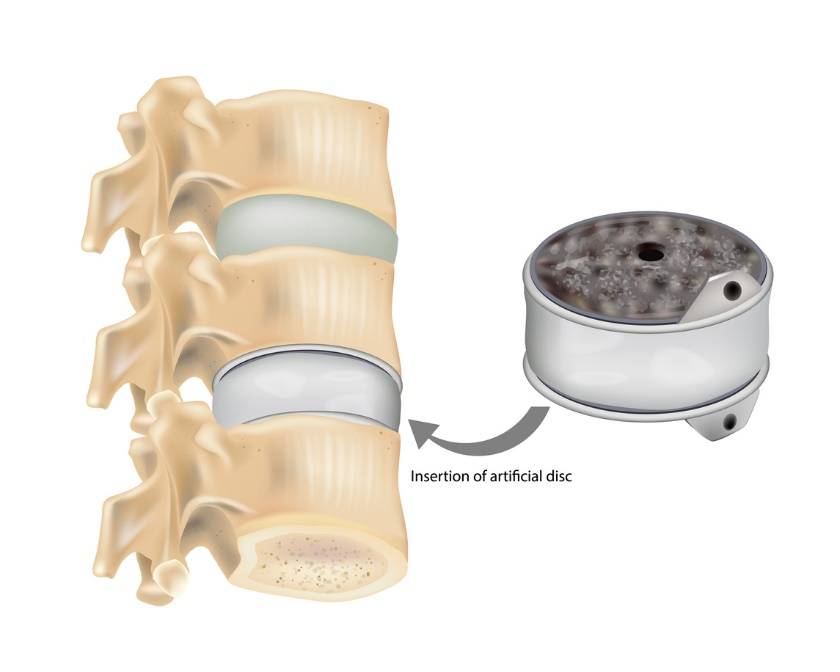
Artificial disc replacement was designed to preserve movement and limit stress on nearby levels. It tends to work best when only one disc is damaged, the spine is stable, and arthritis is minimal.
Patients who qualify may experience faster recovery and better motion compared to fusion, especially in the neck. However, disc replacement is still major surgery requiring complete removal of the natural disc. Not everyone qualifies, and patients with arthritis, stenosis, disc collapse, instability, or multi-level problems often are not candidates. Artificial discs can also wear down or move position over time, and revision surgery is more complex than the original operation.
Cervical Disc Replacement: Important Risks to Understand
Although cervical disc replacement generally has better outcomes than lumbar replacement, it is not risk-free. In some cases, an artificial disc in the neck can shift or move out of place, compressing nerves, the airway, or even the spinal cord and requiring urgent surgery. Cervical implants may also loosen, wear down, or trigger new symptoms at nearby levels over time. While carefully selected patients may do well, cervical disc replacement still carries meaningful risks.
Why Lumbar Disc Replacement Has Mixed Results
Lumbar disc replacement has more variable results because the lower back carries far more weight and force, making it difficult for an artificial disc to move and absorb shock like a natural disc. Most lumbar patients also have additional issues—such as arthritis or multi-level degeneration—that disqualify them, meaning only a small percentage of people are true candidates. Even among qualified patients, lumbar disc replacements have shown a higher need for revision surgeries, contributing to their decline in use. National Institute of Health (NIH)
When Surgery Is Necessary
Surgery may be recommended if there is sudden loss of bowel or bladder control, rapidly progressing weakness, severe symptoms unresponsive to conservative care, serious structural issues on imaging, or signs of worsening nerve damage. For most patients, however, nonsurgical treatments can provide meaningful relief without the long-term risks of surgery.
Why Start with Nonsurgical Nerve Decompression?
Nonsurgical decompression can reduce nerve pressure across multiple levels without causing trauma to soft tissues. It avoids scar tissue, muscle damage, anesthesia, downtime, and the added stress placed on surrounding discs after surgery. For many people, it is the safest and most sensible first step before considering surgical intervention.
Find Relief from Nerve Pain Without Surgery
If you’re living with nerve pain, radiating symptoms, or recurring back or neck discomfort, you have nonsurgical options that can make a real difference. Carolina Rehab and Physical Medicine Center offers Accu Spina spinal decompression, chiropractic care, targeted therapeutic exercises, soft-tissue therapies, and personalized guidance to help you move comfortably again.
Schedule your evaluation today and take the first step toward effective, nonsurgical relief.